
Prebiotics vs Probiotics vs Synbiotics: A Simple Decision Tree for What You Actually Need
If “gut health” content has ever left you feeling more confused than helped, this guide is for you. We’re going to strip the jargon, keep
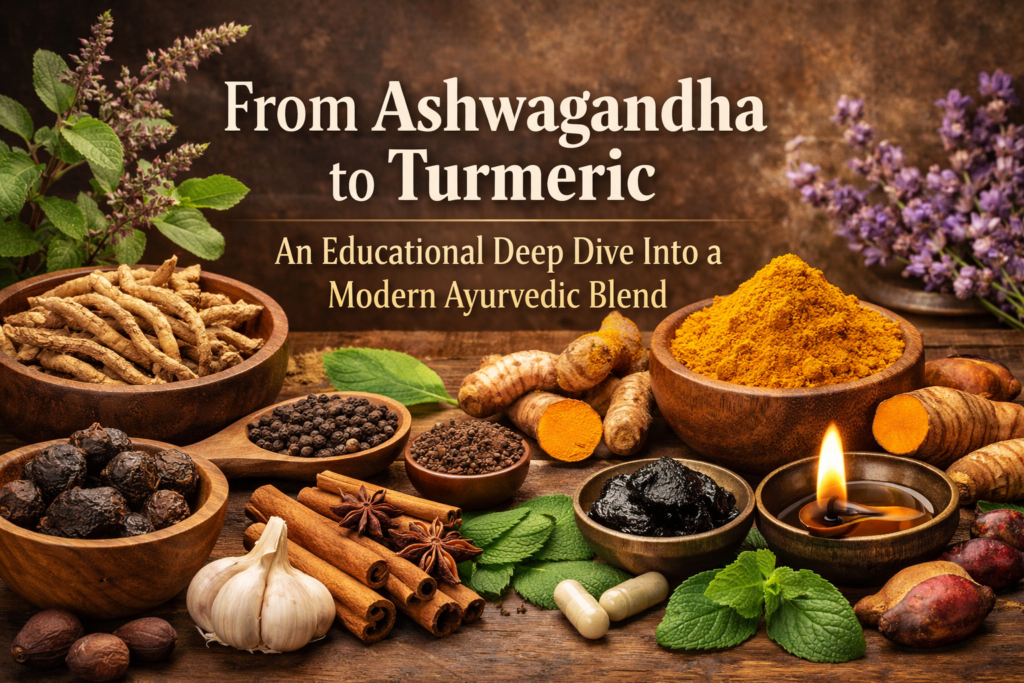
A modern Ayurvedic blend can look like a botanical mystery novel: a long cast of roots, leaves, fruits, spices, and resinous oddities… all sharing one label and none sharing an explanation.
This article is the explanation.
We’ll walk through the Ayurvedic blend ingredients found in AyuNexa—what each ingredient is, why it tends to appear in traditional formulas, what modern research is exploring (without turning into a hype parade), and what practical safety notes matter most.
At the end, you’ll know how to read formulas like a calm, skeptical wizard—and how to decide whether a blend fits your routine.
Ayurveda is a traditional Indian system of wellness that emphasizes daily routines, diet, and herbs as part of a bigger “whole person” approach. In the modern supplement world, “Ayurvedic blend” usually means someone has taken that tradition-inspired ingredient logic and put it into a standardized format—often capsules.
A key theme in many Ayurvedic formulas is combination: instead of one “hero herb,” you’ll see a group with different roles—some foundational, some supportive, some there to improve digestion/absorption, and some included for aroma or soothing effects.
That’s the philosophy behind products like AyuNexa: a curated blend featuring herbs and spices such as ashwagandha, turmeric, holy basil, triphala, and more, with the product page also noting black pepper extract for “ingredient integration.”
A “root” on a label might mean powdered root. An “extract” usually means the manufacturer pulled out certain compounds using water/alcohol and concentrated them. Extracts can be more potent per gram, but potency also depends on standardization (e.g., “95% curcuminoids” vs. “turmeric extract” with no details).
Practical move: If the label says “see label for full extract details,” take that seriously and treat it as “the details matter.” AyuNexa’s product page uses that exact idea—ingredients are listed, and readers are directed to the label for extract specifics.
“Synergy” can mean: ingredient A helps ingredient B absorb, or ingredient A smooths out the side effects of ingredient B, or they hit adjacent pathways. That’s plausible—but it’s not automatic. Some combos are just tradition, or taste, or “this looks good on a label.”
Natural products can vary dramatically depending on sourcing, processing, and contamination. This is especially relevant for complex traditions like Ayurveda where some products (not all!) have been found to contain contaminants, including heavy metals, depending on sourcing and manufacturing practices.
Practical move: Favor brands that can speak clearly about testing and sourcing.
According to the AyuNexa product page, the blend includes: Ashwagandha, Turmeric, Cinnamon, Holy Basil, Garlic, Trikatu, Triphala, Amla, Sandalwood, Cloves, Celery Seed, Licorice, Brahmi, Shilajit, Cordyceps, Lavender, and Peppermint, with suggested use of 1 capsule daily with a meal.
Below, each ingredient gets the same honest structure:
What it is: Ashwagandha (Withania somnifera) is a root used in Ayurvedic traditions and widely marketed as an “adaptogen” (a term used for herbs associated with stress resilience).
Why it shows up: In many modern formulas, it’s the “calm-resilience” anchor—aimed at supporting stress response, sleep quality, and day-to-day steadiness.
What research is exploring: Human studies have explored ashwagandha for stress and sleep outcomes, but quality varies across trials. Safety-wise, reputable sources note that short-term use appears generally well tolerated for many adults, while long-term safety is less clear.
Cautions: Avoid during pregnancy; talk with a clinician if you have thyroid conditions or take related medications, and stop if you develop unusual symptoms. Rare liver injury case reports have been noted in the literature.
What it is: Turmeric (Curcuma longa) is a spice root; “curcumin” is one of its most-studied compounds.
Why it shows up: Turmeric is often included in blends aiming at “daily vitality” or recovery support—especially alongside spices that complement digestion.
What research is exploring: Turmeric/curcumin research spans inflammation pathways, joint comfort, and more, but supplement effects depend heavily on formulation and bioavailability (how much your body absorbs). Safety summaries generally describe turmeric as safe for most adults in typical amounts, with GI upset possible at higher doses.
Cautions: If you have gallbladder issues or take blood thinners, check with a clinician before high-dose turmeric/curcumin products.
What it is: Cinnamon bark is both culinary and supplemental; “cassia” vs “ceylon” matters for compound profiles (and coumarin content).
Why it shows up: Cinnamon fits the “warming spice” category—often paired with turmeric and clove for a classic digestive-metabolic profile.
What research is exploring: Cinnamon is studied for metabolic markers, but results can vary by type and dose. Safety-wise, cinnamon is likely safe in food amounts; concentrated supplement use for long periods can be more problematic for some people (GI issues, allergic reactions, and caution in liver disease).
Cautions: If you have liver issues or take diabetes medications, be extra cautious with high-dose cinnamon supplements.
What it is: Holy basil (Ocimum tenuiflorum), often called tulsi, is a revered plant in Indian tradition.
Why it shows up: In modern blends, tulsi often plays a “calm clarity” role—especially when paired with ashwagandha.
What research is exploring: Human research exists (including systematic review work), but dosing, extracts, and outcomes vary widely.
Cautions: Pregnancy/breastfeeding data is limited; if you’re on blood sugar or blood-thinning meds, talk with a clinician before concentrated tulsi products.
What it is: Garlic is culinary… and also a serious bioactive plant when concentrated into supplement form.
Why it shows up: Garlic is often used in formulas that lean toward circulation/metabolic support themes.
What research is exploring: Garlic supplements have been studied for cardiovascular-related markers. But the headline safety issue is interaction risk: garlic supplements can increase bleeding risk, especially around surgery or when combined with anticoagulants/antiplatelet drugs.
Cautions: If you take blood thinners, aspirin, or have surgery scheduled, discuss garlic supplements with your healthcare provider.
What it is: Trikatu is a classic “three pungents” formulation typically composed of black pepper, long pepper, and ginger.
Why it shows up: Trikatu is often included as a “digestive fire” helper in traditional language—meaning it’s used to support digestion and, in modern terms, may support absorption and metabolic activation.
What research is exploring: Some literature discusses components like piperine (from peppers) as a bioavailability enhancer, which is one reason pepper extracts show up beside ingredients like curcumin.
Cautions: Pungent spice blends can be irritating for people prone to reflux or gastritis; start low and pay attention to your body.
What it is: Triphala is traditionally a blend of three fruits—commonly amla (Emblica/Phyllanthus emblica), bibhitaki, and haritaki—often described in a 1:1:1 ratio in many references.
Why it shows up: Triphala is frequently used as a “foundation” ingredient in Ayurveda, especially in formulas that emphasize digestion and daily maintenance rather than quick stimulation.
What research is exploring: Research includes safety/toxicity evaluations and human studies for various outcomes; it’s not “settled science,” but it’s more studied than many people assume.
Cautions: If you’re prone to loose stools, start gently. If you’re on multiple medications, be cautious with multi-herb formulas.
What it is: Amla (Indian gooseberry) is a fruit used widely in Ayurveda and also appears inside Triphala.
Why it shows up: It’s often included for its “rejuvenative” reputation and as a foundational fruit in traditional formulas.
What research is exploring: Amla is noted for vitamin C and polyphenols; modern research explores metabolic, antioxidant, and digestive themes.
Cautions: If you take blood thinners or have iron-related conditions, talk with a clinician before high-dose extracts.
What it is: Sandalwood (often Santalum album) is best known aromatically, but it also appears in some traditional preparations.
Why it shows up: In blends, sandalwood can function as a traditional “cooling/soothing” counterbalance to warming spices (and, frankly, as a cultural/traditional signature ingredient).
What research is exploring: Safety discussions exist, but evidence quality varies; most modern use is topical or aromatic rather than high-dose oral.
Cautions: Treat oral sandalwood ingredients as “special-case”—avoid stacking multiple sandalwood products and prioritize quality/sourcing.
What it is: Clove is a spice rich in aromatic compounds (notably eugenol in clove oil).
Why it shows up: Like cinnamon, it’s part of the “warming spice cabinet” cluster—often included for digestive comfort and traditional antimicrobial associations.
What research is exploring: Most evidence is preclinical (lab/animal). Concentrated clove oil is a different beast than culinary clove.
Cautions: Avoid ingesting essential oils unless specifically formulated and directed; concentrated forms can be risky.
What it is: Celery seed is not the same as “celery stalk in a salad.” In supplement form, it’s typically used as an extract or seed powder.
Why it shows up: Traditionally associated with fluid balance and joint comfort themes in various herbal systems.
What research is exploring: Evidence is mixed and not definitive; the bigger practical issue is potential interactions (e.g., diuretic-like effects and medication interactions).
Cautions: If you take diuretics, lithium, blood pressure meds, or blood thinners, treat celery seed supplements as “talk to your clinician first.”
What it is: Licorice root (Glycyrrhiza) contains glycyrrhizin (unless “DGL,” deglycyrrhizinated licorice).
Why it shows up: Traditionally used in many systems for soothing and harmonizing formulas.
What research is exploring: Licorice has real physiological effects, particularly around electrolyte balance and blood pressure in some contexts.
Cautions: This is the big one: licorice (especially glycyrrhizin-containing forms) can raise blood pressure and affect potassium levels; caution is strongly advised for people with hypertension, heart/kidney issues, or those on related medications.
What it is: “Brahmi” commonly refers to Bacopa monnieri in many supplement contexts (naming can vary by region and tradition).
Why it shows up: Often used in traditions for memory, focus, and calm mental clarity—especially paired with tulsi/ashwagandha.
What research is exploring: Bacopa has been studied for cognitive outcomes with mixed results across trials; GI side effects are among the more commonly reported issues.
Cautions: If you’re sensitive to GI upset, start low. If you have liver disease or take multiple meds, discuss with a clinician—especially given the broader reality that herb effects can vary by extract and dose.
What it is: Shilajit is a mineral-rich resin that forms over time in mountainous regions. It’s often described as containing humic substances, including fulvic acid, but composition varies by source and processing.
Why it shows up: In modern marketing, shilajit is positioned as a “deep vitality” or “mineral restoration” ingredient. In reality, the most important discussion is often quality and contaminants.
What research is exploring: There’s ongoing research into composition and potential effects, but a recurring issue in the literature is the need to understand and control heavy metal content in shilajit products.
Cautions: Prioritize tested, purified sources. If you’re pregnant, breastfeeding, or have kidney issues, shilajit is not a casual add-on.
What it is: Cordyceps refers to a group of fungi used in Traditional Chinese Medicine and now popular in “energy/adaptogen” circles.
Why it shows up: Cordyceps is often included for “stamina” and resilience themes—especially in blends that want to cover both calm and energy.
What research is exploring: Much evidence is preclinical; some human data exists but isn’t definitive. Integrative medicine references emphasize variability and the importance of clinician awareness, especially for people with complex medical conditions.
Cautions: If you’re immunocompromised, on immunosuppressants, or managing chronic illness, consult your clinician before using.
What it is: Lavender is used aromatically and orally in certain standardized preparations.
Why it shows up: Lavender is the “softening edge” in many blends—associated with calm, relaxation, and tension support.
What research is exploring: Some oral lavender products have been studied for anxiety-related outcomes; short-term use appears generally tolerated in studied amounts, with possible GI side effects.
Cautions: Essential oils are not automatically safe to ingest. Stick to reputable oral formulations and avoid mixing with sedating medications without clinical guidance.
What it is: Peppermint is a mint plant; peppermint oil is often used in enteric-coated capsules for GI comfort.
Why it shows up: Peppermint is the “gut comfort” specialist—commonly used for indigestion sensations and IBS-related symptom support in certain contexts.
What research is exploring: Evidence suggests peppermint oil may help IBS symptoms in some adults, but side effects can include reflux/heartburn—especially if not enteric-coated.
Cautions: Peppermint oil may worsen reflux/GERD in some people.
A blend like this is usually trying to cover a few “systems” at once:
| Cluster | Ingredients (examples) | The goal (in plain language) |
|---|---|---|
| Calm + resilience | Ashwagandha, Tulsi, Brahmi, Lavender | Smoother stress response, calmer focus |
| Warming spices | Turmeric, Cinnamon, Clove, Trikatu | Digestive support + metabolic “spark” |
| Gut comfort | Peppermint, Triphala/Amla | Regularity + less “heavy” digestion |
| Vitality/tonic signals | Shilajit, Cordyceps | Energy and resilience themes (quality-dependent) |
The blend’s logic is less “one ingredient fixes you” and more “multiple gentle levers nudging routine-level wellness.”
Also: the product page explicitly notes black pepper extract to support “ingredient integration,” which matches a broader supplement strategy where pepper components (like piperine) are discussed as absorption enhancers for certain compounds.
AyuNexa’s own product page advises not exceeding the dose and recommends clinician consultation for pregnancy/nursing, under-18 users, and people with medical conditions.
That’s solid baseline advice for any multi-ingredient blend.
Here are the most practical, highest-signal cautions based on the ingredient list:
If you take prescriptions (especially for blood pressure, blood sugar, clotting, thyroid, or mood), treat “herbal blend supplement” as something to clear with your clinician. That’s not fearmongering; it’s basic interaction hygiene.
AyuNexa’s suggested use is one capsule daily, preferably with a meal.
That “with a meal” part matters more than people think: many botanicals are easier on the stomach and better tolerated alongside food.
A simple, non-dramatic way to evaluate a blend:
Consistency beats “supplement roulette.”
It’s a supplement formula inspired by Ayurvedic ingredient traditions, packaged in a standardized format (capsules/tablets), often combining calming herbs, spices, and digestive support botanicals.
Many formulas combine them, but your personal fit depends on medications, thyroid status, and GI sensitivity. For some people, spice-heavy blends can cause reflux; ashwagandha also has specific cautions.
Usually not like caffeine. Think in weeks, not hours—especially for routine-level outcomes like sleep quality or digestion comfort.
Pregnant/nursing individuals, people on multiple medications (especially blood thinners or BP meds), and anyone with complex chronic conditions should get clinician input first.
Buy from brands that can speak clearly about sourcing and testing—especially for ingredients where contamination risk is part of the conversation.
A modern Ayurvedic blend isn’t a spellbook. It’s a strategy: calm-support herbs + warming spices + digestive foundations + a few tradition-rich “tonic” ingredients, all aimed at supporting a steady daily routine.
If you’d rather not source and juggle all these individual botanicals yourself, you can explore AyuNexa, which combines the ingredients discussed above into a once-daily capsule format.
If “gut health” content has ever left you feeling more confused than helped, this guide is for you. We’re going to strip the jargon, keep
If you’ve been comparing curcumin vs turmeric, you’re already asking the smartest question. Most people hear “turmeric” and assume every product works the same way.
Introduction If you’re asking what are adaptogens and nootropics, you’re probably trying to solve a real problem: stress feels constant, focus feels fragile, and energy
© 2026 Holitro. All rights reserved.



One Response