
Hyaluronic Acid Supplement: Benefits, Dosage and Does It Work?
Do hyaluronic acid supplements work? Clinical trial results for skin hydration, the best dosage, side effects, and oral vs topical HA.
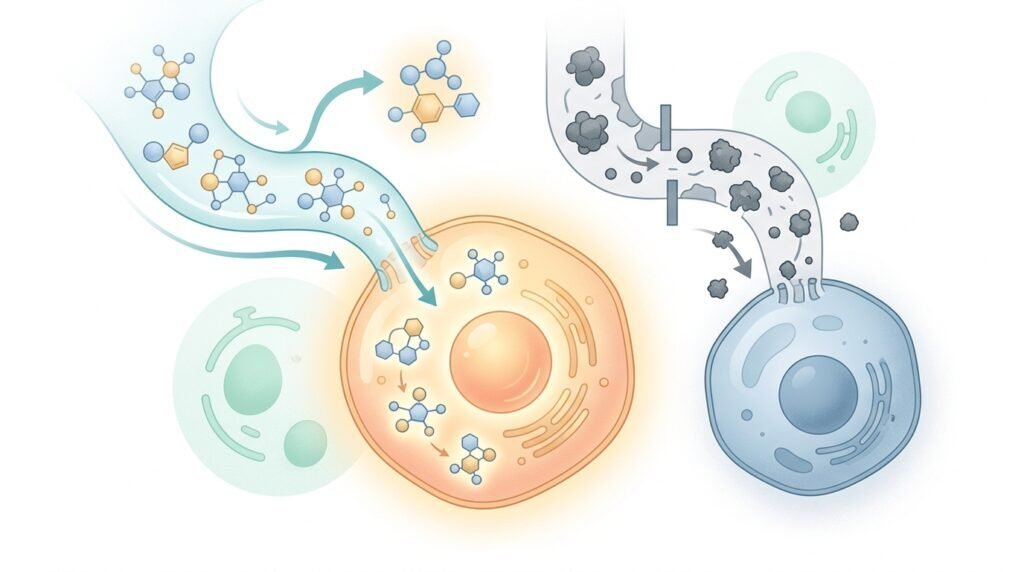
As we age, our bodies experience a natural decline in essential cellular components. One of the most critical molecules is Nicotinamide Adenine Dinucleotide, or NAD+. Therefore, many people seek ways to replenish it. Two of the most popular supplements for this purpose are Nicotinamide Riboside (NR) and Nicotinamide Mononucleotide (NMN). Consequently, the debate about nicotinamide riboside vs nmn for nad+ levels is everywhere in the health and wellness community. Which one is truly better? In this comprehensive guide, we will explore the science, the differences, and the benefits of each option.
To begin with, we must understand what NAD+ does in the body. NAD+ is a coenzyme found in all living cells. It plays a vital role in energy metabolism and maintaining proper cell function. Without NAD+, life would simply not exist. Furthermore, NAD+ helps convert the food we eat into cellular energy. It also supports DNA repair and regulates our circadian rhythms.
Unfortunately, our NAD+ levels drop significantly as we get older. By middle age, our levels are often half of what they were in our youth. This decline is strongly linked to various age-related conditions. These include metabolic disorders, neurodegenerative diseases, and general fatigue. Because of this, scientists have been searching for effective ways to boost NAD+ levels back to youthful states.
This is where NAD+ precursors come into the picture. Since NAD+ itself is poorly absorbed by our digestive system, we must take its building blocks. Both NR and NMN are proven precursors. They both convert into NAD+ inside our bodies. You can read more about the fundamental roles of NAD+ in this detailed NCBI review on NAD+ biology.
Nicotinamide Riboside, or NR, is a unique form of vitamin B3. It was discovered as an NAD+ precursor in the early 2000s. Since then, it has been the subject of extensive research. NR is naturally found in trace amounts in milk and yeast. However, to get a therapeutic dose, supplementation is absolutely necessary.
When you take NR, it enters your cells and converts into NMN. After that, the NMN converts directly into NAD+. This pathway is highly efficient. Furthermore, NR has been rigorously tested in multiple human clinical trials. It consistently shows a strong ability to raise NAD+ levels in the blood safely.
Additionally, NR has a strong safety profile. It does not cause the skin flushing commonly associated with other forms of vitamin B3 like niacin. Because of its robust clinical data, NR is widely trusted by the scientific community. It remains a top choice for people looking to improve their cellular energy and overall health.
On the other hand, we have Nicotinamide Mononucleotide, or NMN. NMN is also a derivative of vitamin B3. It is one step closer to NAD+ in the conversion pathway compared to NR. Basically, NR must turn into NMN first, while NMN is already at that stage. NMN is naturally present in small amounts in foods like broccoli, cabbage, and avocados.
For a long time, scientists believed NMN was too large to enter cells directly. They thought it had to break down into NR first. However, recent studies discovered a specific transporter called Slc12a8. This transporter can carry NMN directly into certain cells. This discovery sparked massive interest in NMN as a potentially superior supplement.
Prominent researchers, such as Dr. David Sinclair from Harvard University, have popularized NMN. His animal studies showed remarkable anti-aging benefits. NMN improved blood flow, enhanced endurance, and reversed signs of aging in mice. While human trials are still catching up, the initial results are very promising.
Now, let us tackle the main question directly. When evaluating nicotinamide riboside vs nmn for nad+ levels, we must look at the biochemical pathways. As mentioned earlier, NR is a smaller molecule. It easily enters cells through specific transporters. Once inside, it converts to NMN, then to NAD+.
Conversely, NMN is a larger molecule. It was previously thought to be less efficient because it had to break down outside the cell. But the discovery of the NMN-specific transporter changed this view. Therefore, both molecules have direct pathways into our cells to boost NAD+.
So, which one is more effective? Current research suggests that both are highly effective. A study might show one acting faster in a specific tissue, while the other excels elsewhere. The reality is that comparing nicotinamide riboside vs nmn for nad+ levels is very complex. Both precursors reliably elevate NAD+ in the bloodstream. More comprehensive studies are still needed to declare a definitive winner.
Absorption is a critical factor in this debate. If a supplement cannot be absorbed, it is completely useless. NR is highly bioavailable. When taken orally, it survives the digestive process well. It enters the bloodstream rapidly and starts working within hours. This makes NR a very reliable and consistent option.
NMN also shows excellent bioavailability. However, it is slightly less stable than NR in certain environments. To combat this, many manufacturers suggest taking NMN sublingually. This means placing the powder under your tongue. Sublingual delivery allows NMN to enter the bloodstream directly, bypassing the digestive tract completely.
Ultimately, both compounds successfully reach the bloodstream. They both elevate NAD+ levels effectively. Your choice might depend on your preferred delivery method. Some prefer the convenience of an NR capsule. Others prefer the rapid absorption of sublingual NMN powder. You can find more about bioavailability in this Nature study on NAD+ precursors.
When looking at the clinical data, NR has a distinct advantage in terms of volume. There are dozens of completed human trials on NR. These studies consistently show that NR safely raises NAD+ levels. Furthermore, they show potential benefits for heart health, cognitive function, and muscle endurance.
NMN is newer to the human trial scene. Early studies were mostly done on mice. However, recent human trials have started to emerge. A notable study in Japan confirmed that NMN is safe for human consumption. It also effectively raised blood NAD+ levels. Another study showed NMN improved insulin sensitivity in prediabetic women.
Despite NMN having fewer human studies, the momentum is shifting. More NMN trials are currently underway. Therefore, when discussing nicotinamide riboside vs nmn for nad+ levels, we must acknowledge the current data gap. NR has more human data right now. NMN has incredibly strong animal data and growing human evidence.
Safety is always a top priority with any supplement. Fortunately, both NR and NMN have excellent safety profiles. They are generally well-tolerated by most people. Standard doses up to 1000mg per day have shown no serious adverse effects in clinical trials.
Some users occasionally report mild side effects. These can include nausea, fatigue, headaches, or mild digestive discomfort. However, these symptoms are rare and usually resolve quickly. It is always wise to start with a lower dose and gradually increase it. This allows your body to adjust comfortably.
Additionally, neither NR nor NMN causes the uncomfortable skin flushing seen with niacin. This makes them much more pleasant to take daily. Always consult with a healthcare professional before starting any new supplement regimen, especially if you have underlying health conditions.
Cost is another practical consideration. Historically, NMN has been significantly more expensive to produce than NR. This complex manufacturing process made NMN a premium product. However, as demand has increased, production methods have improved. Consequently, the price of NMN has dropped significantly in recent years.
Today, the cost difference is much smaller. NR is still generally slightly cheaper, but NMN is now very accessible. Both supplements represent an investment in your long-term health. The prices vary widely depending on the brand, purity, and dosage.
When purchasing either supplement, quality is paramount. The market is unfortunately flooded with fake or under-dosed products. Always choose reputable brands. Look for companies that provide third-party lab testing. This ensures you are actually getting the NR or NMN you paid for.
Choosing between NR and NMN can feel overwhelming. If you want the most robust human clinical data, NR is currently the safer bet. It has been tested thoroughly and proven effective time and time again. It is a highly reliable way to boost your cellular energy.
If you prefer to follow the latest cutting-edge research, NMN might be for you. Many longevity experts strongly prefer NMN based on its direct conversion to NAD+ and impressive animal studies. Taking it sublingually also offers a unique absorption advantage that some users prefer.
Ultimately, some biohackers choose not to decide at all. They alternate between the two or even take them together. By doing this, they hope to maximize the benefits of both pathways. Always listen to your body and see which one makes you feel more energized.
Why do we care so much about these supplements? The long-term benefits of sustained NAD+ levels are truly exciting. By taking NR or NMN, you are supporting your cellular mitochondria. Mitochondria are the powerhouses of your cells. Healthy mitochondria mean more sustained daily energy and less chronic fatigue.
Moreover, robust NAD+ levels support cellular repair mechanisms. Your DNA is constantly under attack from environmental stress. NAD+ activates special proteins called sirtuins. Sirtuins are heavily involved in repairing DNA damage and reducing inflammation. Therefore, keeping NAD+ high is a defensive strategy for healthy aging.
In addition, maintaining youthful NAD+ levels may protect brain health. Neurodegenerative conditions are closely tied to mitochondrial dysfunction. By boosting NAD+, we might support better cognitive function as we age. This makes the debate over nicotinamide riboside vs nmn for nad+ levels incredibly relevant to our future wellbeing. For a deeper dive into sirtuins, check out this Cell Metabolism article.
Let us briefly summarize the main differences. NR is a smaller molecule with extensive human clinical backing. It is generally taken in capsule form and is highly stable. It converts to NMN before becoming NAD+. It is often slightly more affordable and widely available.
NMN is a larger molecule, one step closer to NAD+. It is championed by prominent longevity researchers. It is often taken sublingually for rapid absorption. While it has fewer human trials, its animal data is incredibly compelling. It is slightly more expensive but dropping in price.
Both will effectively raise your NAD+ levels. They both offer a strong safety profile. Your decision largely comes down to personal preference, budget, and which scientific arguments you find most convincing.
In conclusion, the battle of nicotinamide riboside vs nmn for nad+ levels does not have a single loser. Both supplements are incredible tools for healthy aging. They both address the fundamental issue of declining cellular energy. By replenishing NAD+, you are taking a proactive step toward better health.
NR offers the security of extensive human clinical data. It is reliable, safe, and effective. NMN offers the excitement of cutting-edge research. Its direct pathway and strong endorsement by experts make it very appealing. Neither choice is inherently wrong.
The most important thing is consistency. Whichever supplement you choose, take it regularly. Pair it with a healthy lifestyle, good sleep, and regular exercise. This comprehensive approach will yield the best results for your longevity journey.
While supplements are powerful, they are not magic pills. It is essential to remember that lifestyle factors also heavily influence our biological age. Exercise is one of the most potent ways to naturally boost NAD+. High-intensity interval training, in particular, has been shown to stimulate mitochondrial function effectively. Furthermore, eating a balanced diet rich in whole foods provides the necessary cofactors for cellular energy production. A holistic approach will always yield the best long-term results.
Moreover, stress management plays a crucial role. Chronic stress depletes our cellular resources rapidly. Practices like meditation, yoga, and deep breathing can lower cortisol levels. Consequently, this helps preserve our precious NAD+ stores. Getting adequate sleep is equally critical. During deep sleep, our bodies undergo intense repair processes. Without enough rest, no supplement can fully compensate for the physiological deficit.
Hydration is another often-overlooked factor. Water is essential for all cellular reactions, including those involving NAD+. Drinking enough water ensures that nutrients are efficiently transported throughout the body. It also aids in the removal of metabolic waste products. Therefore, keeping a water bottle handy is a simple yet vital habit for overall wellbeing.
Another important aspect is minimizing exposure to environmental toxins. Pollutants, heavy metals, and processed chemicals place a heavy burden on our detoxification systems. This, in turn, consumes large amounts of NAD+. By choosing organic foods and using natural household products, we can reduce this unnecessary drain on our cellular energy reserves. Every small choice adds up over time.
Furthermore, intermittent fasting has gained significant attention in the anti-aging community. Fasting periods trigger cellular stress responses that actually make our bodies more resilient. This process, known as hormesis, is believed to increase the expression of sirtuins and naturally elevate NAD+ levels. Combining a sensible fasting window with targeted supplementation could potentially multiply the longevity benefits.
It is also worth noting that our social connections impact our health span. Strong relationships and a sense of purpose have been linked to longer, healthier lives. The psychological benefits of community engagement translate into tangible physical outcomes. Thus, nurturing your social life is just as important as nurturing your cellular biology. A well-rounded life is a healthy life.
Finally, regular health check-ups are indispensable. Blood tests can provide valuable insights into our metabolic health. They can reveal nutrient deficiencies, inflammation markers, and hormonal imbalances. Armed with this data, we can make informed decisions about our diet and supplement regimen. Knowledge is power, especially when it comes to personal health optimization.
While supplements are powerful, they are not magic pills. It is essential to remember that lifestyle factors also heavily influence our biological age. Exercise is one of the most potent ways to naturally boost NAD+. High-intensity interval training, in particular, has been shown to stimulate mitochondrial function effectively. Furthermore, eating a balanced diet rich in whole foods provides the necessary cofactors for cellular energy production. A holistic approach will always yield the best long-term results.
Moreover, stress management plays a crucial role. Chronic stress depletes our cellular resources rapidly. Practices like meditation, yoga, and deep breathing can lower cortisol levels. Consequently, this helps preserve our precious NAD+ stores. Getting adequate sleep is equally critical. During deep sleep, our bodies undergo intense repair processes. Without enough rest, no supplement can fully compensate for the physiological deficit.
Hydration is another often-overlooked factor. Water is essential for all cellular reactions, including those involving NAD+. Drinking enough water ensures that nutrients are efficiently transported throughout the body. It also aids in the removal of metabolic waste products. Therefore, keeping a water bottle handy is a simple yet vital habit for overall wellbeing.
Another important aspect is minimizing exposure to environmental toxins. Pollutants, heavy metals, and processed chemicals place a heavy burden on our detoxification systems. This, in turn, consumes large amounts of NAD+. By choosing organic foods and using natural household products, we can reduce this unnecessary drain on our cellular energy reserves. Every small choice adds up over time.
Furthermore, intermittent fasting has gained significant attention in the anti-aging community. Fasting periods trigger cellular stress responses that actually make our bodies more resilient. This process, known as hormesis, is believed to increase the expression of sirtuins and naturally elevate NAD+ levels. Combining a sensible fasting window with targeted supplementation could potentially multiply the longevity benefits.
It is also worth noting that our social connections impact our health span. Strong relationships and a sense of purpose have been linked to longer, healthier lives. The psychological benefits of community engagement translate into tangible physical outcomes. Thus, nurturing your social life is just as important as nurturing your cellular biology. A well-rounded life is a healthy life.
Finally, regular health check-ups are indispensable. Blood tests can provide valuable insights into our metabolic health. They can reveal nutrient deficiencies, inflammation markers, and hormonal imbalances. Armed with this data, we can make informed decisions about our diet and supplement regimen. Knowledge is power, especially when it comes to personal health optimization.
While supplements are powerful, they are not magic pills. It is essential to remember that lifestyle factors also heavily influence our biological age. Exercise is one of the most potent ways to naturally boost NAD+. High-intensity interval training, in particular, has been shown to stimulate mitochondrial function effectively. Furthermore, eating a balanced diet rich in whole foods provides the necessary cofactors for cellular energy production. A holistic approach will always yield the best long-term results.
Moreover, stress management plays a crucial role. Chronic stress depletes our cellular resources rapidly. Practices like meditation, yoga, and deep breathing can lower cortisol levels. Consequently, this helps preserve our precious NAD+ stores. Getting adequate sleep is equally critical. During deep sleep, our bodies undergo intense repair processes. Without enough rest, no supplement can fully compensate for the physiological deficit.
Hydration is another often-overlooked factor. Water is essential for all cellular reactions, including those involving NAD+. Drinking enough water ensures that nutrients are efficiently transported throughout the body. It also aids in the removal of metabolic waste products. Therefore, keeping a water bottle handy is a simple yet vital habit for overall wellbeing.
Another important aspect is minimizing exposure to environmental toxins. Pollutants, heavy metals, and processed chemicals place a heavy burden on our detoxification systems. This, in turn, consumes large amounts of NAD+. By choosing organic foods and using natural household products, we can reduce this unnecessary drain on our cellular energy reserves. Every small choice adds up over time.
Furthermore, intermittent fasting has gained significant attention in the anti-aging community. Fasting periods trigger cellular stress responses that actually make our bodies more resilient. This process, known as hormesis, is believed to increase the expression of sirtuins and naturally elevate NAD+ levels. Combining a sensible fasting window with targeted supplementation could potentially multiply the longevity benefits.
It is also worth noting that our social connections impact our health span. Strong relationships and a sense of purpose have been linked to longer, healthier lives. The psychological benefits of community engagement translate into tangible physical outcomes. Thus, nurturing your social life is just as important as nurturing your cellular biology. A well-rounded life is a healthy life.
Finally, regular health check-ups are indispensable. Blood tests can provide valuable insights into our metabolic health. They can reveal nutrient deficiencies, inflammation markers, and hormonal imbalances. Armed with this data, we can make informed decisions about our diet and supplement regimen. Knowledge is power, especially when it comes to personal health optimization.
Do hyaluronic acid supplements work? Clinical trial results for skin hydration, the best dosage, side effects, and oral vs topical HA.
The best supplements for skin hydration and dry winter skin, ranked by evidence: hyaluronic acid, collagen, vitamin C, zinc and omega-3.
Can you take vitamin D and omega-3 together? Benefits, how much to take, side effects, and what the big VITAL and DO-HEALTH trials found.
Taking a multivitamin plus a few extras? It’s easy to double up without noticing. Add up your stack in 2 minutes and see where you stand against NIH limits.
