
Hyaluronic Acid Supplement: Benefits, Dosage and Does It Work?
Do hyaluronic acid supplements work? Clinical trial results for skin hydration, the best dosage, side effects, and oral vs topical HA.
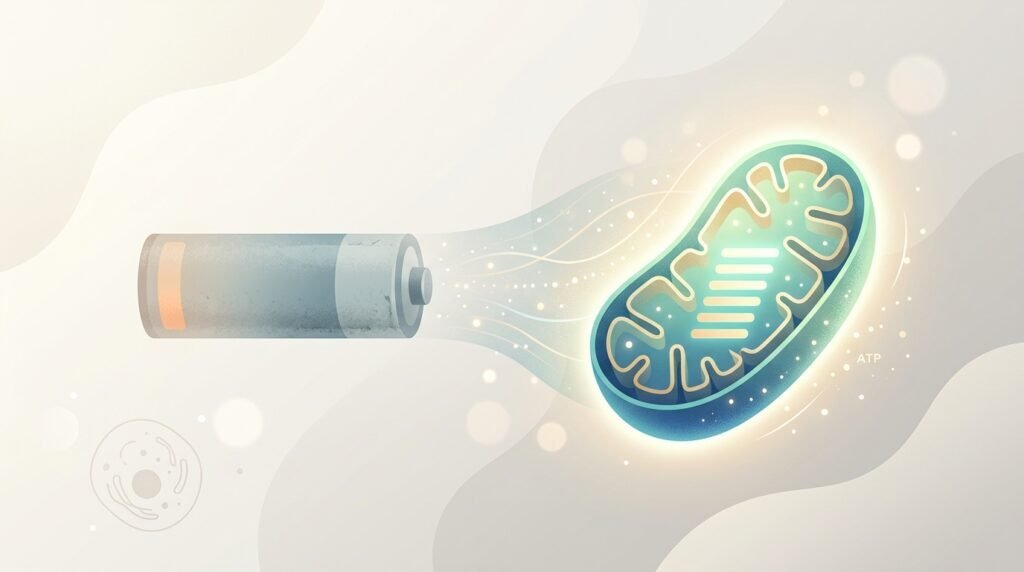
Have you been feeling unusually tired lately? You might be wondering about the signs of mitochondrial dysfunction and how to fix it naturally with coq10. This is a common question today. Many people struggle with low energy. They often ignore the root cause. However, your cells need proper support. Mitochondria are the powerhouses of your cells. When they fail, you feel exhausted. Therefore, understanding this condition is vital. We will explore the common symptoms. We will also discuss natural solutions. Furthermore, we will look at how Coenzyme Q10 can help. Keep reading to learn more about your cellular health. Ultimately, you can reclaim your vitality.
Mitochondria are tiny structures inside your cells. They produce energy for your body. This energy is called ATP. ATP fuels every process in your body. Without it, you cannot survive. Therefore, healthy mitochondria are essential. They keep your heart beating. They help your brain think clearly. They allow your muscles to move. In fact, some cells have thousands of mitochondria. Heart muscle cells need a lot of energy. So, they have many of these powerhouses. Consequently, any damage to them affects your whole body. Learning about the signs of mitochondrial dysfunction and how to fix it naturally with coq10 is crucial. You must protect these tiny energy factories.
Mitochondria can become damaged over time. This damage leads to dysfunction. As a result, they produce less energy. They also create more waste products. These waste products are called free radicals. Free radicals can harm your cells. This process is known as oxidative stress. Over time, oxidative stress causes aging and disease. Many factors contribute to this dysfunction. Poor diet is a major culprit. Lack of exercise also plays a role. Additionally, environmental toxins can damage your cells. Chronic stress is another significant factor. As a result, your body struggles to function properly. Therefore, you need to recognize the symptoms early.
Recognizing the problem is the first step. You must listen to your body. Your body gives you warning signals. If you ignore them, the problem worsens. Hence, knowing the signs of mitochondrial dysfunction and how to fix it naturally with coq10 can change your life. Let us look at the most common symptoms.
The most obvious symptom is extreme tiredness. This is not just normal fatigue. It is a deep, unyielding exhaustion. A good night’s sleep does not help. You wake up feeling drained. Consequently, you struggle to get through the day. Coffee only provides a temporary boost. Afterwards, you crash even harder. This happens because your cells cannot make enough ATP. Without ATP, your body runs out of gas. Therefore, chronic fatigue is a major red flag.
Your brain uses a lot of energy. It needs a constant supply of ATP. When mitochondria fail, your brain suffers. As a result, you experience brain fog. You might have trouble concentrating. Remembering things becomes difficult. You may feel confused or disoriented. In addition, you might experience mood swings. Anxiety and depression are also common. Therefore, mental clarity depends on cellular health. If you have brain fog, consider your mitochondria.
Your muscles also demand high energy. They rely heavily on mitochondria. When energy drops, your muscles feel weak. You might experience unexplained aches. Even light physical activity feels exhausting. Recovery from exercise takes much longer. In severe cases, muscle wasting can occur. Therefore, muscle pain is a clear warning sign. If you experience these symptoms, you must take action.
Now, let us address the main topic. You want to know the signs of mitochondrial dysfunction and how to fix it naturally with coq10. We have discussed the signs. Now, let us focus on the fix. Coenzyme Q10 is a powerful nutrient. It is essential for mitochondrial function. Without it, your cells cannot produce energy. Let us dive deeper into how it works.
CoQ10 is an antioxidant produced by your body. It lives inside your mitochondria. It plays a critical role in ATP production. Furthermore, it protects your cells from oxidative stress. It neutralizes harmful free radicals. However, your natural CoQ10 levels drop as you age. Stress and poor diet also deplete it. Certain medications, like statins, can lower levels too. Consequently, a deficiency leads to dysfunction. This is why supplementation is often necessary. By restoring CoQ10 levels, you boost energy production. Therefore, CoQ10 is a vital tool for cellular health. For more detailed clinical insights, you can read about CoQ10 on Mayo Clinic.
You can get CoQ10 from certain foods. Organ meats are the richest source. Beef heart and liver are excellent choices. Fatty fish like salmon also contain it. In addition, spinach and broccoli offer small amounts. However, it is hard to get enough from food alone. Therefore, taking a high-quality supplement is wise. Look for the ubiquinol form. Ubiquinol is easier for your body to absorb. Always consult your doctor before starting any supplement. This is a key part of understanding the signs of mitochondrial dysfunction and how to fix it naturally with coq10.
CoQ10 is not the only solution. You must adopt a holistic approach. Diet plays a massive role in cellular health. What you eat directly affects your mitochondria. Let us explore some dietary strategies.
Antioxidants protect your cells from damage. They fight off free radicals. Therefore, you should eat plenty of antioxidant-rich foods. Berries are fantastic choices. Blueberries, strawberries, and raspberries are packed with nutrients. Dark leafy greens are also crucial. Spinach and kale provide essential vitamins. Furthermore, nuts and seeds offer healthy fats. These fats support the mitochondrial membrane. You should also include spices like turmeric. Turmeric has potent anti-inflammatory properties. For more information on antioxidants, check out the National Institutes of Health.
Fasting is a powerful tool for your cells. When you fast, your body cleans house. This process is called autophagy. During autophagy, your body removes damaged mitochondria. It then builds new, healthy ones. This is known as mitochondrial biogenesis. Therefore, intermittent fasting can rejuvenate your cells. You can start by fasting for 12 hours overnight. Gradually, you can increase the fasting window. However, listen to your body. Fasting is not for everyone. Always consult a healthcare professional first.
Diet and supplements are essential. However, lifestyle factors are equally important. Your daily habits shape your cellular health. Let us discuss two crucial lifestyle changes.
Exercise is the best way to boost mitochondria. When you work out, your body needs more energy. To meet this demand, your body creates more mitochondria. High-intensity interval training (HIIT) is especially effective. It forces your cells to adapt quickly. However, steady-state cardio is also beneficial. Walking, swimming, or cycling are great options. Strength training builds muscle mass. More muscle means more mitochondria. Therefore, aim for at least 30 minutes of exercise daily. Movement is medicine for your cells. You can read more about exercise guidelines from the American Heart Association.
Sleep is when your body repairs itself. Your brain clears out toxins during sleep. Your cells also undergo maintenance. Without enough sleep, your mitochondria suffer. As a result, energy production drops. Therefore, you must prioritize quality sleep. Aim for seven to nine hours per night. Create a relaxing bedtime routine. Avoid screens before bed. Keep your bedroom cool and dark. Consistency is key. Go to bed at the same time every day. Good sleep is foundational for health. It is a critical part of the solution when discussing the signs of mitochondrial dysfunction and how to fix it naturally with coq10.
Your environment and mental state affect your cells. Let us look at how stress and toxins play a role.
Stress is a major enemy of mitochondria. When you are stressed, your body releases cortisol. High cortisol levels damage your cells. Consequently, energy production stalls. Therefore, stress management is non-negotiable. You must find ways to relax. Deep breathing exercises can help. Meditation is also highly effective. Spending time in nature reduces stress hormones. Furthermore, engaging in hobbies brings joy. You must actively protect your mental health. A calm mind supports healthy cells.
We live in a toxic world. Environmental toxins harm our mitochondria. Pesticides, heavy metals, and plastics are everywhere. Therefore, you must minimize your exposure. Choose organic foods when possible. Filter your drinking water. Use natural cleaning products in your home. Furthermore, switch to non-toxic personal care items. These small changes make a big difference. By reducing the toxic load, your cells can thrive. This is essential for long-term health.
Your body needs a symphony of nutrients. CoQ10 works best alongside other vitamins and minerals.
B vitamins are crucial for energy production. They work together with CoQ10. Without B vitamins, your mitochondria cannot function. Vitamin B12 is especially important. It helps maintain the nervous system. You can find B vitamins in meat, eggs, and dairy. Leafy greens also contain B vitamins. If you eat a plant-based diet, consider supplementing. A B-complex supplement can cover your bases. Therefore, ensure you get enough of these vital nutrients.
Magnesium is another essential mineral. It is involved in over 300 biochemical reactions. Crucially, ATP must bind to magnesium to be active. Without magnesium, ATP is useless. Therefore, magnesium deficiency leads to low energy. Many people do not get enough magnesium. You can find it in nuts, seeds, and dark chocolate. Spinach is also a good source. Consider taking a high-quality magnesium supplement. Magnesium glycinate is highly absorbable. It also helps with sleep and relaxation. This further supports your mitochondrial health.
Modern science offers new ways to support your cells. Let us explore a few innovative therapies.
Cold exposure is a trendy but effective therapy. When you expose your body to cold, it adapts. It creates more mitochondria to generate heat. This process is called non-shivering thermogenesis. You can start with cold showers. Begin with just 30 seconds at the end of your shower. Gradually increase the time. Alternatively, you can try ice baths. However, always be safe. Cold exposure is powerful, but it must be done correctly. It is a fantastic way to boost cellular energy.
Red light therapy is another innovative tool. It uses specific wavelengths of light. This light penetrates your skin and reaches your cells. It stimulates the mitochondria to produce more ATP. Therefore, it directly boosts energy production. Red light therapy can also reduce inflammation. It speeds up muscle recovery. Many people use red light panels at home. You can also find them in wellness clinics. It is a safe and effective way to support your cells.
Water is life. Every cell in your body needs water. Dehydration slows down all cellular processes. It impairs mitochondrial function. Therefore, you must stay adequately hydrated. Drink plenty of filtered water throughout the day. Add a pinch of sea salt for trace minerals. Herbal teas are also great choices. Avoid sugary drinks and excessive caffeine. They can dehydrate you further. Proper hydration is a simple but profound step. It is foundational for fixing cellular issues.
Want to know which nutrients your cells need to make energy? Our guide to the best vitamins for tiredness covers iron, B vitamins, magnesium and CoQ10.
In summary, your cellular health dictates your overall well-being. Recognizing the signs of mitochondrial dysfunction and how to fix it naturally with coq10 is empowering. You do not have to live with chronic fatigue. You can clear your brain fog. You can regain your muscle strength. Start by understanding your body’s signals. Implement dietary changes like eating antioxidant-rich foods. Consider intermittent fasting. Add a high-quality CoQ10 supplement to your routine. Furthermore, prioritize exercise and quality sleep. Manage your stress levels. By taking these natural steps, you support your mitochondria. Ultimately, you can restore your energy and reclaim your vibrant life. Do not wait any longer. Start your journey to better cellular health today.
Do hyaluronic acid supplements work? Clinical trial results for skin hydration, the best dosage, side effects, and oral vs topical HA.
The best supplements for skin hydration and dry winter skin, ranked by evidence: hyaluronic acid, collagen, vitamin C, zinc and omega-3.
Can you take vitamin D and omega-3 together? Benefits, how much to take, side effects, and what the big VITAL and DO-HEALTH trials found.
Taking a multivitamin plus a few extras? It’s easy to double up without noticing. Add up your stack in 2 minutes and see where you stand against NIH limits.
